In this article
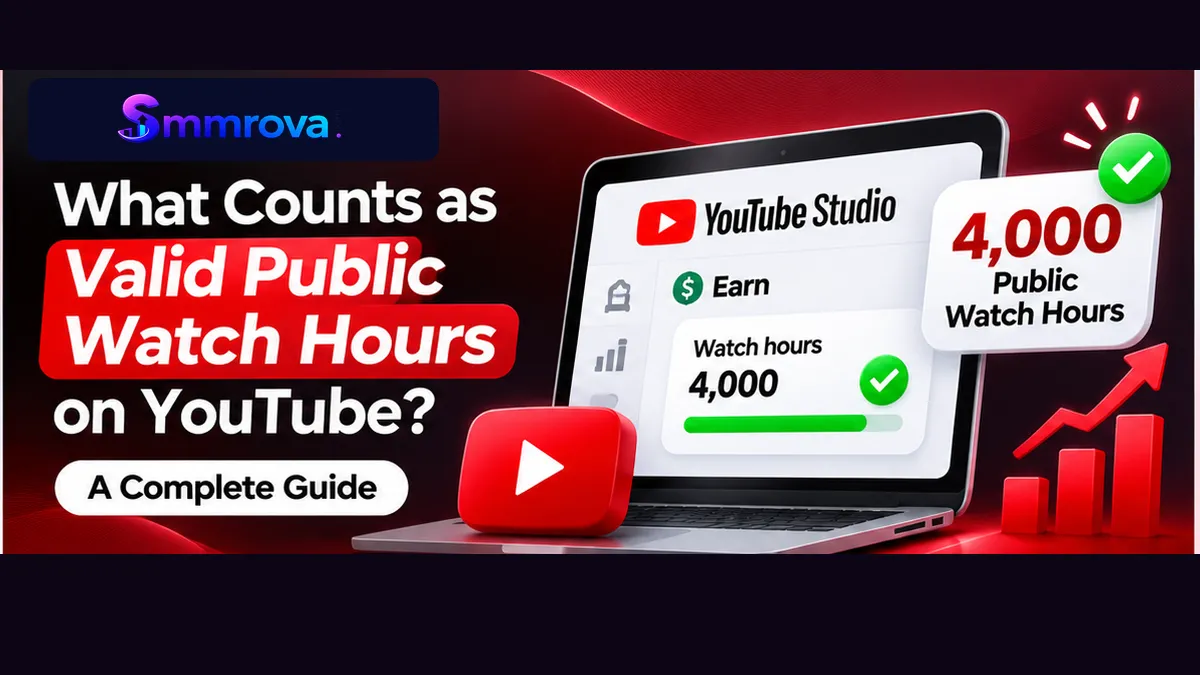
If you are working toward YouTube monetization, you have probably heard that you need 4,000 watch hours. But not every minute watched on YouTube counts toward this requirement. YouTube only considers specific types of viewing activity as qualified public watch hours for the YouTube Partner Program (YPP).
Understanding youtube valid public watch hours is important because the watch time shown in YouTube Analytics may be different from the number displayed in the Earn section of YouTube Studio.
In this guide, you will learn what counts as public watch hours, which views are excluded, how the 4,000-hour requirement works, and how to check your monetization progress without relying on misleading information.
What Are Valid Public Watch Hours on YouTube?
Valid public watch hours are qualifying hours generated when people watch eligible public long-form videos on your YouTube channel.
YouTube uses qualified watch hours as one of the eligibility measurements for joining the YouTube Partner Program. The viewing activity must meet YouTube's requirements. Simply increasing the total watch time shown in Analytics does not automatically increase your monetization progress.
According to YouTube's official guidance, qualifying watch hours can come from:
- Public long-form videos.
- Public long-form podcast videos.
- Public livestreams that are archived and available as video-on-demand content.
The key requirement is that the viewing activity must come from eligible public content and comply with YouTube's policies.
What Counts as Public Watch Hours?
Not every video view contributes to the 4,000-hour requirement. The following examples explain which content can generate qualifying watch hours.
1. Public Long-Form Videos
Watch time from public long-form videos is the main source of qualifying public watch hours for creators following the traditional long-form monetization path.
For example, imagine you publish a public tutorial video. Viewers watch it for a combined total of 120 hours. If the activity meets YouTube's eligibility and traffic-quality requirements, those hours can contribute to your qualified watch-hour total.
2. Public Archived Livestreams
Livestreams can also contribute to qualifying watch hours when they are public and properly archived as video-on-demand content.
For example, a creator hosts a public educational livestream and keeps the recording available afterward. Eligible viewing time from that archived livestream may count.
However, livestreams that are unlisted, deleted, or not converted into an archived video do not qualify under YouTube's published rules.
3. Public Long-Form Podcast Videos
Public long-form podcast videos can also contribute to qualified watch hours. A podcast creator may build watch time through interviews, discussions, educational episodes, and other eligible long-form content.
As with other videos, the content must remain eligible and comply with YouTube's monetization policies.
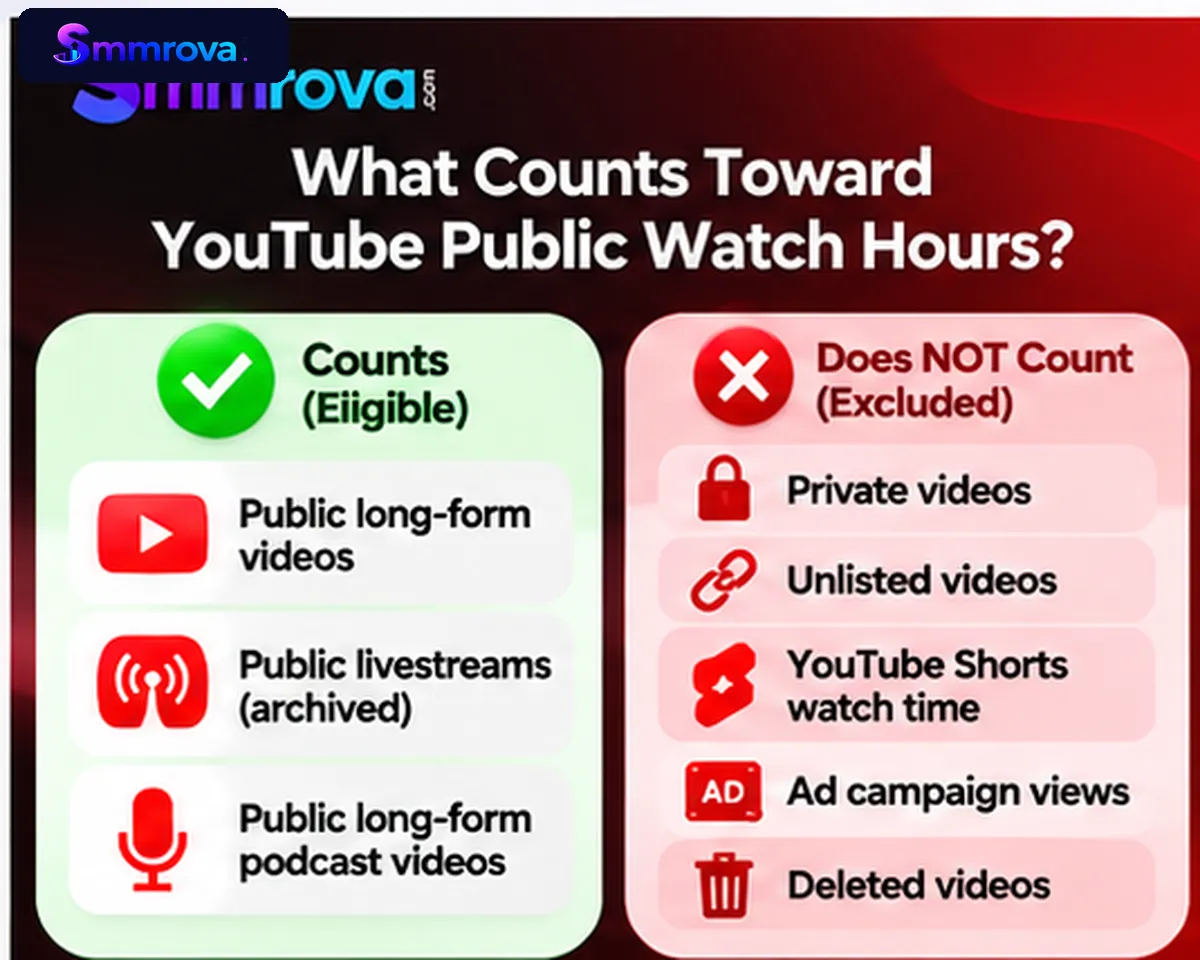
What Does NOT Count Toward YouTube's 4,000 Watch Hours?
One of the most common mistakes among new creators is assuming that every type of viewing activity contributes to monetization eligibility.
YouTube excludes several categories from the qualified watch-hour calculation.
| Content or Traffic Type | Counts Toward 4,000 Hours? | Reason |
|---|---|---|
| Public long-form videos | Yes, if eligible | Qualifying public video watch time |
| Public archived livestreams | Yes, if eligible | Archived public livestream viewing |
| Private videos | No | Not publicly available |
| Unlisted videos | No | Not public content |
| Deleted videos | No | Deleted content is excluded |
| YouTube Shorts feed watch time | No | Shorts have a separate eligibility path |
| Watch time from ad campaigns | No | Advertising views are excluded |
| Unlisted or deleted livestreams | No | Do not meet the public archived-content requirement |
| Livestreams not archived as VOD | No | Not retained as eligible video content |
These exclusions are based on YouTube's official Partner Program guidance. Always check the latest requirements because platform policies and reporting terminology can change.
Do YouTube Shorts Watch Hours Count Toward 4,000 Hours?
No. Watch time generated from views in the YouTube Shorts Feed does not count toward the 4,000 qualified public watch-hour requirement.
YouTube provides a separate eligibility route for creators who primarily publish Shorts. Instead of qualifying through long-form watch hours, eligible creators can meet a separate Shorts views threshold.
This means a channel can receive substantial Shorts viewing activity but still show little or no progress toward the 4,000 public watch-hour target.
For example:
- Your Shorts receive 500,000 views.
- Your Shorts generate many minutes of viewing activity.
- That Shorts Feed watch time does not get added to the 4,000-hour long-form requirement.
If you publish both Shorts and long-form videos, track the two monetization routes separately in YouTube Studio.
How Many Watch Hours Do You Need for YouTube Monetization?
YouTube has different eligibility levels depending on the monetization features and the country or region where the creator's channel is based.
Full Advertising Revenue Eligibility
Under YouTube's currently published standard YPP requirements, creators need to meet one of these alternatives:
- 1,000 subscribers and 4,000 qualified public watch hours during the previous 12 months, or
- 1,000 subscribers and 10 million qualified public Shorts views during the previous 90 days.
These are alternative eligibility routes. You do not need to achieve both the long-form watch-hour requirement and the Shorts views requirement.
What About the 500 Subscribers and 3,000 Watch Hours Tier?
You may also see information online about an earlier-access YouTube Partner Program tier requiring 500 subscribers, three valid public uploads in the previous 90 days, and either 3,000 qualified watch hours or 3 million qualified Shorts views.
However, this expanded YPP option is available only in selected countries and regions. YouTube's published eligible-country list should be checked before relying on these lower thresholds.
As of November 2026, Bangladesh is not included in the published expanded YPP country list. Therefore, Bangladesh-based creators should not assume that the 500-subscriber tier is available to their channel.
Always check the Earn section of your own YouTube Studio account for the eligibility options available to your channel.
How to Calculate 4,000 YouTube Watch Hours
Understanding the numbers can make the monetization target easier to plan.
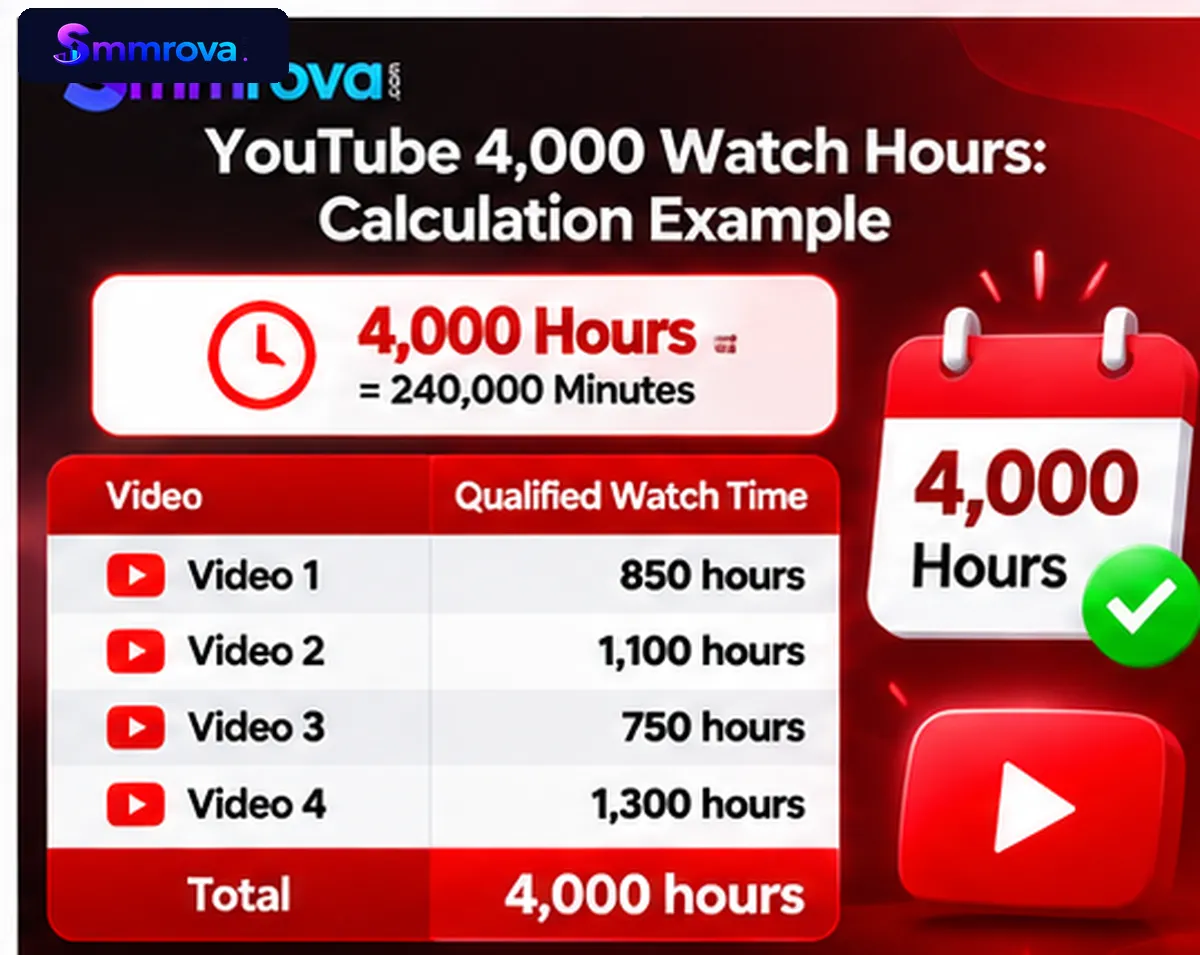
One watch hour equals 60 minutes of viewing time.
Therefore:
- 1 hour = 60 minutes
- 100 hours = 6,000 minutes
- 1,000 hours = 60,000 minutes
- 4,000 hours = 240,000 minutes
For example, imagine your public long-form videos receive the following eligible viewing activity:
| Video | Qualified Watch Time |
|---|---|
| Video 1 | 850 hours |
| Video 2 | 1,100 hours |
| Video 3 | 750 hours |
| Video 4 | 1,300 hours |
| Total | 4,000 hours |
If all these hours are qualified, generated within the applicable 12-month period, and your channel also meets the subscriber and policy requirements, the watch-hour threshold has been reached.
Important: This is a simplified example. YouTube determines the actual qualifying total, not a manual calculation from your public view counts.
Why Are YouTube Analytics Watch Hours Different From the Earn Tab?
This is one of the most confusing issues for new YouTube creators.
You may see 1,000 hours of watch time in YouTube Analytics but a much smaller number under the Earn section. This does not necessarily mean that your channel has a technical problem.
The two areas serve different purposes:
- YouTube Analytics: Provides performance information about your content, including watch time across the selected reporting period and available content types.
- YouTube Studio Earn: Displays progress toward monetization eligibility using YouTube's qualifying rules.
For example, your Analytics report may include watch time from Shorts, private or unlisted videos, or other activity that does not qualify for the 4,000-hour requirement.
YouTube also validates viewing activity. Counts may take time to update, and activity that does not meet its requirements may be excluded.
For this reason, use the Earn tab as the main reference for your YouTube Partner Program progress rather than assuming that the total Analytics watch time is your qualifying total.
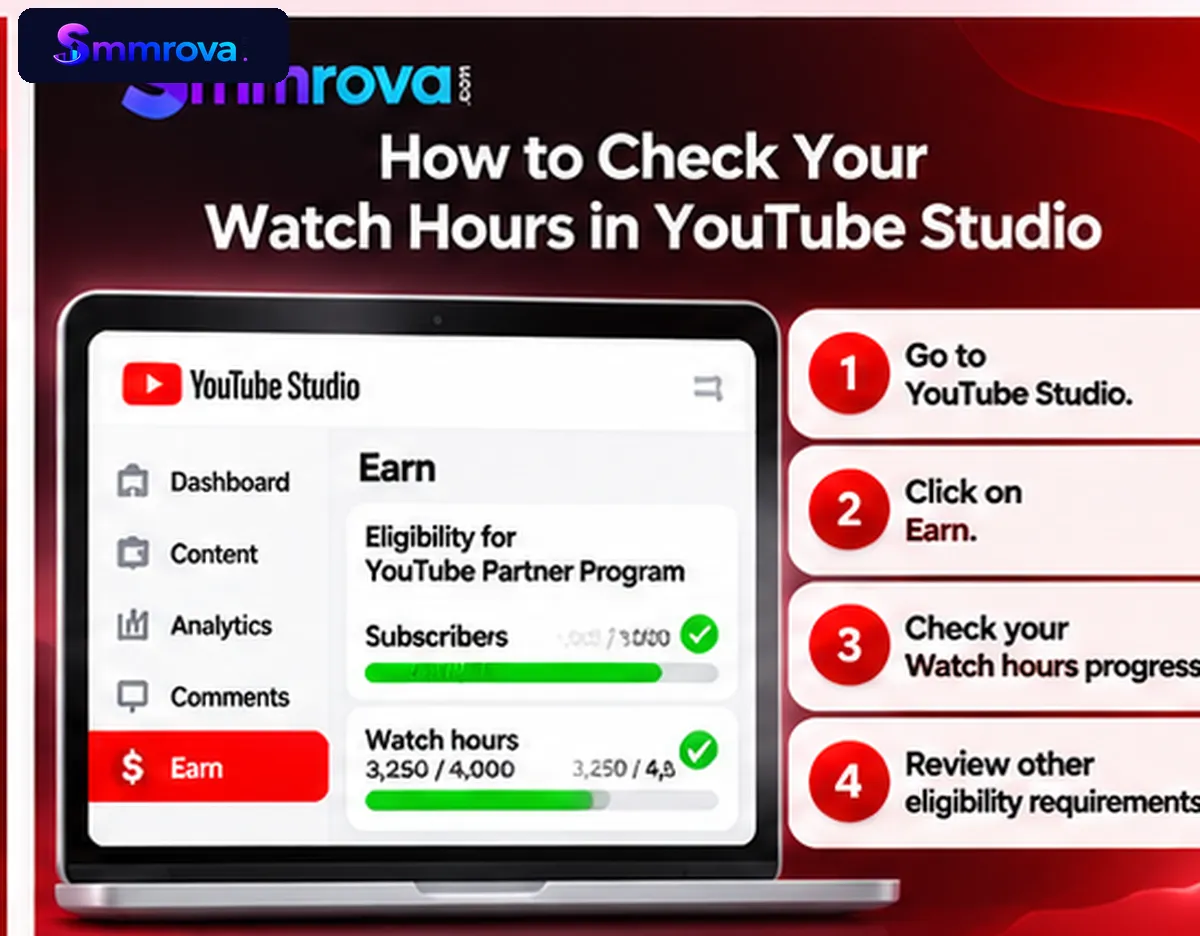
How to Check Valid Public Watch Hours in YouTube Studio
You can check your monetization progress directly through YouTube Studio.
- Sign in to the Google account connected to your YouTube channel.
- Open YouTube Studio.
- Select Earn from the left-hand menu.
- Review the eligibility progress displayed for your channel.
- Check the subscriber count, public watch-hour progress, or Shorts views shown for the available monetization route.
- Review any additional requirements or notifications displayed on the page.
The available eligibility options may vary according to your channel's country or region.
For more detailed video performance information, open Analytics and review the Content and Engagement reports.
How to Increase Valid Public Watch Hours Naturally
If your goal is to qualify for YouTube monetization, focus on attracting genuine viewers who are interested in watching your content.
Here are practical ways to build eligible watch time over the long term.
1. Create Useful Long-Form Videos
Publish videos that answer specific questions, solve problems, teach a skill, or provide information your audience wants. Choose topics that justify a complete video rather than stretching a short idea unnecessarily.
2. Improve Your Video Introductions
Viewers often decide quickly whether a video is worth watching. Explain what the video offers early, avoid unnecessarily long introductions, and deliver on the promise made by your title and thumbnail.
3. Build Related Video Playlists
Organize videos around related subjects. A viewer who finishes one useful video can easily find another relevant video on your channel.
4. Publish Consistently
A realistic publishing schedule helps your audience know when to expect new content. Focus on quality and consistency rather than uploading videos simply to increase volume.
5. Study Audience Retention
Use YouTube Analytics to identify where viewers stop watching. If a particular section causes a significant drop, review its pacing, clarity, relevance, and presentation.
6. Choose Topics That Match Your Audience
Research questions your target audience is already asking. Educational tutorials, product explanations, practical demonstrations, and detailed guides can all attract viewers who are interested in spending more time with your content.
Does Purchased YouTube Watch Time Count Toward Monetization?
This is an important question for creators who are trying to reach the YouTube Partner Program requirements.
Purchased watch time should not be treated as valid public watch hours or a guaranteed way to qualify for monetization.
YouTube's policies exclude advertising watch time from the qualifying threshold and prohibit artificial engagement. If traffic is identified as artificial, it may not count and can create risks for the channel. YouTube also reviews a channel's overall compliance before approving monetization.
Smmrova has a YouTube watch time service information page that explains the service, its limitations, and the relevant platform risks. However, no third-party service can decide which hours YouTube accepts as qualified or guarantee YPP approval.
If monetization is your primary goal, prioritize genuine audience development and follow YouTube's official rules. Do not spend money based on a promise that purchased watch time will automatically become eligible watch hours.
Common Mistakes YouTube Creators Should Avoid
- Assuming all Analytics watch time counts toward monetization.
- Expecting Shorts Feed watch time to contribute to the 4,000-hour requirement.
- Counting private, unlisted, or deleted video watch time.
- Assuming ad campaign views qualify as public watch hours.
- Confusing the expanded YPP requirements with full advertising revenue eligibility.
- Believing that reaching 4,000 hours guarantees monetization approval.
- Ignoring YouTube's channel monetization and fake engagement policies.
- Comparing watch-hour totals from different reporting periods without checking the date range.
Frequently Asked Questions
How many public watch hours are required for YouTube monetization?
The standard full advertising revenue route requires 1,000 subscribers and 4,000 qualified public watch hours in the previous 12 months. An alternative route requires 1,000 subscribers and 10 million qualified public Shorts views in the previous 90 days.
Do YouTube Shorts count toward 4,000 watch hours?
No. Watch time generated from views in the Shorts Feed does not count toward the 4,000 qualified public watch-hour requirement. Shorts have a separate eligibility route based on qualified Shorts views.
Do private videos count as public watch hours?
No. Watch hours from private videos are excluded from the YouTube Partner Program's qualified watch-hour calculation.
Do unlisted videos count toward YouTube monetization?
No. Watch hours from unlisted videos do not count toward the qualified public watch-hour threshold.
Do livestreams count toward public watch hours?
Eligible public livestreams can contribute when they are archived and available as video-on-demand content. Unlisted, deleted, or unarchived livestreams do not qualify under YouTube's published rules.
Why are my Analytics watch hours higher than my Earn tab hours?
Analytics may include viewing activity that does not qualify for monetization, such as Shorts watch time or activity from private and unlisted videos. The Earn tab applies YouTube's eligibility rules to calculate your progress.
Does reaching 4,000 watch hours automatically activate monetization?
No. You must also meet the applicable subscriber threshold, follow YouTube's monetization policies, complete the application steps, and pass YouTube's channel review.
Can I buy 4,000 watch hours to get monetized?
You should not rely on purchased watch time to qualify for monetization. YouTube excludes artificial traffic and may take action against activity that violates its fake engagement policies. Only YouTube decides which watch hours qualify.
Final Thoughts
Understanding youtube valid public watch hours is essential if you want to work toward YouTube monetization. The 4,000-hour requirement is not based on every minute displayed in Analytics. It depends on eligible public long-form viewing activity within the applicable 12-month period.
Focus on original content, genuine viewers, audience retention, and consistent publishing. Check the Earn section of YouTube Studio regularly and use YouTube's official Partner Program guidance whenever you need to confirm eligibility.
Most importantly, remember that reaching the required numbers is only one part of the process. YouTube makes the final decision after reviewing your channel and its compliance with the platform's policies.
Official resources:
 Up nextYouTube Shorts vs Long Form Views: Key DifferencesYouTube · 9 min read
Popular YouTube services
Ready to grow your social media?
Create a free SmmRova account and pay with bKash, Nagad or Rocket. We never ask for your password.
Create Free Account View ServicesQuestions before you order? Message us on WhatsApp