
TikTok Marketing in Bangladesh: A Practical Growth Guide | Smmrova
TikTok can be useful for a Bangladeshi business, but posting random videos and hoping one goes viral is not a strategy. A better approach is to choose a specific audience, make videos that answer real questions, and use performance data to learn what people actually watch and respond to.
This guide explains how small businesses, creators, shops, restaurants, travel operators, and service providers in Bangladesh can plan TikTok content, improve video discoverability, review analytics, and turn attention into useful next steps—without relying on artificial engagement or unrealistic promises.
What Does TikTok Marketing Mean?
TikTok marketing is the use of short-form video, creator-led storytelling, community interaction, and—where appropriate—paid advertising to introduce a product, explain a service, answer a customer question, or build recognition for a brand.
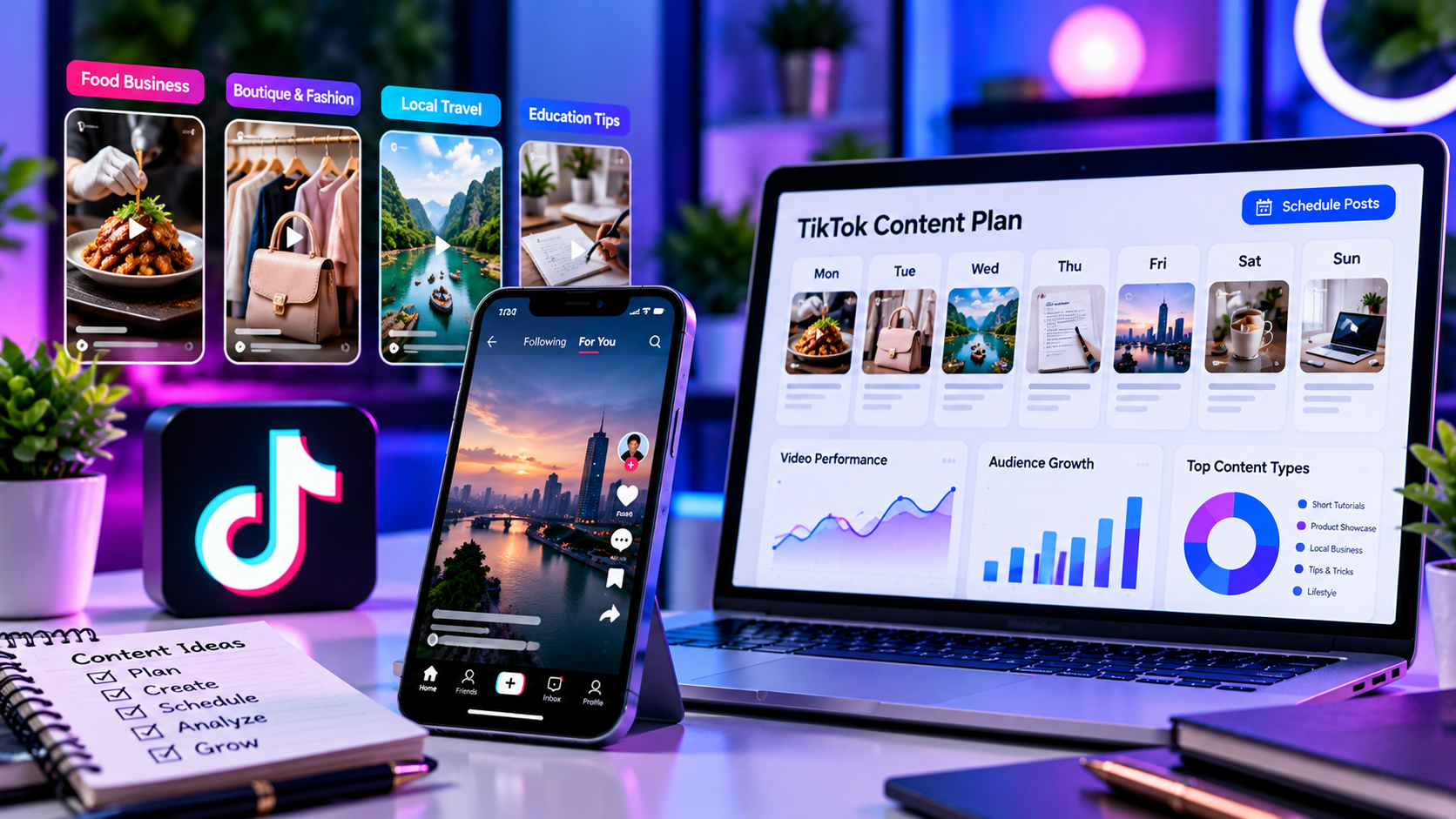
It is not limited to dance trends or comedy videos. A boutique can show how an outfit fits, a restaurant can film the preparation of a popular dish, a tutor can explain one common exam mistake, and a travel business can show what visitors should know before making a trip.
Why TikTok Can Matter for Bangladeshi Businesses
Video gives people a quick way to judge whether a product, place, or service is relevant to them. For local businesses, useful details often matter more than a polished advertisement: a location, a price range, a demonstration, a before-and-after explanation, or an honest answer to a common question.
Bangladesh-focused TikTok search reporting has highlighted interests such as food, travel, books, and educational content. That is a useful reminder to build videos around the things your intended audience already wants to discover, rather than copying an unrelated trend. See reporting on TikTok searches in Bangladesh for examples.
Start With One Audience and One Goal
Before planning videos, write down who you want to reach and what you want that person to do next. One video cannot answer every question or serve every audience equally well.
- Restaurant or café: Show a signature dish, preparation detail, location, and how to place an order.
- Boutique or online shop: Demonstrate fabric, sizing, product use, packaging, or how an item looks in natural light.
- Education or coaching: Explain one small concept, solve one common mistake, or answer a question students repeatedly ask.
- Travel or local experience: Show the real setting, best time to visit, likely costs, transport tips, and practical details.
- Freelancer or service provider: Explain a process, share a useful checklist, or walk through a common customer problem.
Choose one main objective for each post: educate, demonstrate, answer a question, introduce an offer, or encourage a relevant action. Clear objectives make it easier to judge whether the video worked.
A Repeatable TikTok Video Structure
You do not need expensive equipment to make a useful video. A phone, clear audio, good lighting, and a specific idea are enough to get started.
- Open with the point. Use the first moments to state the question, result, or problem the video will address. Avoid long introductions that make viewers wait to understand why they should watch.
- Show the useful part. Demonstrate the product, explain the tip, answer the question, or show the place. One focused idea is usually easier to follow than a video trying to cover everything.
- Add context. Use clear on-screen wording, captions, measurements, location details, or a short explanation when it helps viewers understand the clip.
- Give one relevant next step. Depending on the video, invite viewers to ask a question, visit the profile, save the tip, view the menu, or read the full explanation. Do not promise an outcome the content cannot guarantee.
TikTok Content Ideas You Can Repeat
Instead of starting from a blank page every time, build a small collection of formats that suit your business:
- Quick answers: Answer one question customers ask repeatedly.
- Demonstrations: Show how a product works or how a service is delivered.
- Behind the scenes: Show preparation, packaging, design, planning, or a real workday.
- Myth versus fact: Clarify a common misunderstanding in your field.
- Comparison: Explain the difference between two options and who each one suits.
- Local detail: Include a recognisable Bangladeshi situation, location, seasonal need, or customer question when it is genuinely relevant.
- Customer FAQ: Turn a real, recurring question into a short and direct answer. Do not invent testimonials or present staged results as genuine customer experiences.
Help People Discover Your Videos
Treat captions and on-screen wording as useful context, not as a place to repeat keywords unnaturally. If the video is about a café in Dhaka, say what the video shows and include the relevant location naturally. If it explains a product, use the product category and the question a potential customer might ask.
- Use a clear caption that accurately describes the video.
- Include relevant words in the spoken explanation or on-screen text when they help the viewer.
- Add only hashtags related to the actual video. A long list of unrelated hashtags does not make the content more relevant.
- Use sounds and trends only when they fit the message and your intended audience.
- Make sure the video delivers what its opening line promises.
Do not assume a particular hashtag, posting time, or video length guarantees distribution. Test a format with your own audience and compare the results over several posts.
Use Analytics to Learn, Not Just to Celebrate Views
Views show that a video was played, but they do not tell the whole story. A business should also consider whether people watched long enough to understand the message, interacted meaningfully, visited the profile, asked relevant questions, or took the next step.
- Watch time and completion: Do viewers stay for the main point, or does attention drop early?
- Shares and saves: Is the video useful enough that people want to return to it or send it to someone?
- Comments: Are viewers asking real questions or showing interest in the topic?
- Profile visits: Does the video encourage people to learn more about the business?
- Business outcomes: Are there relevant enquiries, website visits, bookings, or sales? Track these separately rather than assuming views automatically create customers.
Compare videos with similar goals. A tutorial should not always be judged by the same standard as a product demonstration or a local awareness video.

A Practical 14-Day TikTok Content Experiment
Use two weeks as a learning cycle, not as a promise that an account will grow by a particular amount. The aim is to publish a manageable set of videos, compare different ideas, and decide what to improve next.
- Days 1–2: Review your profile, choose the audience, list common customer questions, and select three repeatable video formats.
- Days 3–6: Publish a few focused videos with different hooks or formats. Keep the business goal similar enough that the results can be compared.
- Day 7: Review watch time, completion, saves, shares, comments, and profile visits. Note the patterns rather than reacting to one unusually high or low result.
- Days 8–12: Make improved versions of the more useful topics. Strengthen the opening, clarify the demonstration, or answer a follow-up question.
- Days 13–14: Review the full set and document what you learned. Keep the strongest formats, stop repeating ideas that are not serving the goal, and plan the next test.
Important: Avoid Fake Engagement and Unrealistic Promises
TikTok's official Community Guidelines on integrity and authenticity prohibit the trade or marketing of services that artificially increase engagement, including selling followers or likes. Artificial metrics can also be removed and do not guarantee that people will be interested in your content.
For a durable marketing plan, prioritise clear content, honest offers, audience questions, appropriate advertising options, and measurement of real business outcomes. Do not share account passwords or verification codes with third parties, and be cautious of anyone promising guaranteed viral reach or guaranteed sales.
How TikTok Fits Into a Wider Social Media Plan
TikTok can be one part of a wider content workflow, but every platform has its own format, audience expectations, and rules. A video that works on one platform may need a different opening, caption, crop, or context on another. Adapt the message instead of reposting blindly.
If you are new to social media marketing panels in general, start with our beginner's guide to SMM panels. For a broader checklist on how to evaluate a panel, read how to choose an SMM panel in Bangladesh. These guides explain the wider ecosystem; always check the relevant platform's current rules before using any service.
Frequently Asked Questions
How can a small business in Bangladesh start TikTok marketing?
Choose a specific customer group, list the questions they ask, and publish useful short videos that answer those questions. Show real products or processes, explain how to contact the business, and review results before changing the strategy.
How often should I post on TikTok?
There is no universal posting frequency that guarantees reach. Choose a schedule you can maintain without lowering the quality of the videos. Then compare performance across several posts and adjust based on evidence.
Which TikTok metrics matter most?
Start with watch time and completion, then review saves, shares, meaningful comments, profile visits, and outcomes connected to your goal. The most useful metrics depend on whether the video is intended to educate, introduce a product, or generate enquiries.
Does a high view count guarantee customers?
No. A video may receive views without reaching the people who need the product or service. Clear positioning, useful content, a relevant call to action, and a practical path to purchase or enquiry all matter.
Is buying followers or likes a good TikTok growth strategy?
It is not a reliable long-term strategy, and TikTok's guidelines prohibit marketing services that artificially increase engagement, including follower and like selling. Focus on content that gives the intended audience a real reason to watch and respond.
Final Thoughts
Successful TikTok marketing is a process of testing ideas, learning what your audience values, and improving the next video. Start with one audience and one objective, use clear demonstrations and captions, review meaningful analytics, and be honest about what your content can deliver.
Instead of chasing a guaranteed viral result, build a repeatable content system that helps the right people understand your business and take a useful next step.